IKEA Assembly Tips for Toronto Condos: 10 Things That Actually Matter
After assembling hundreds of IKEA pieces in downtown Toronto condos, these are the 10 things that consistently separate fast, clean builds from frustrating ones. Most of them aren't in the manual.
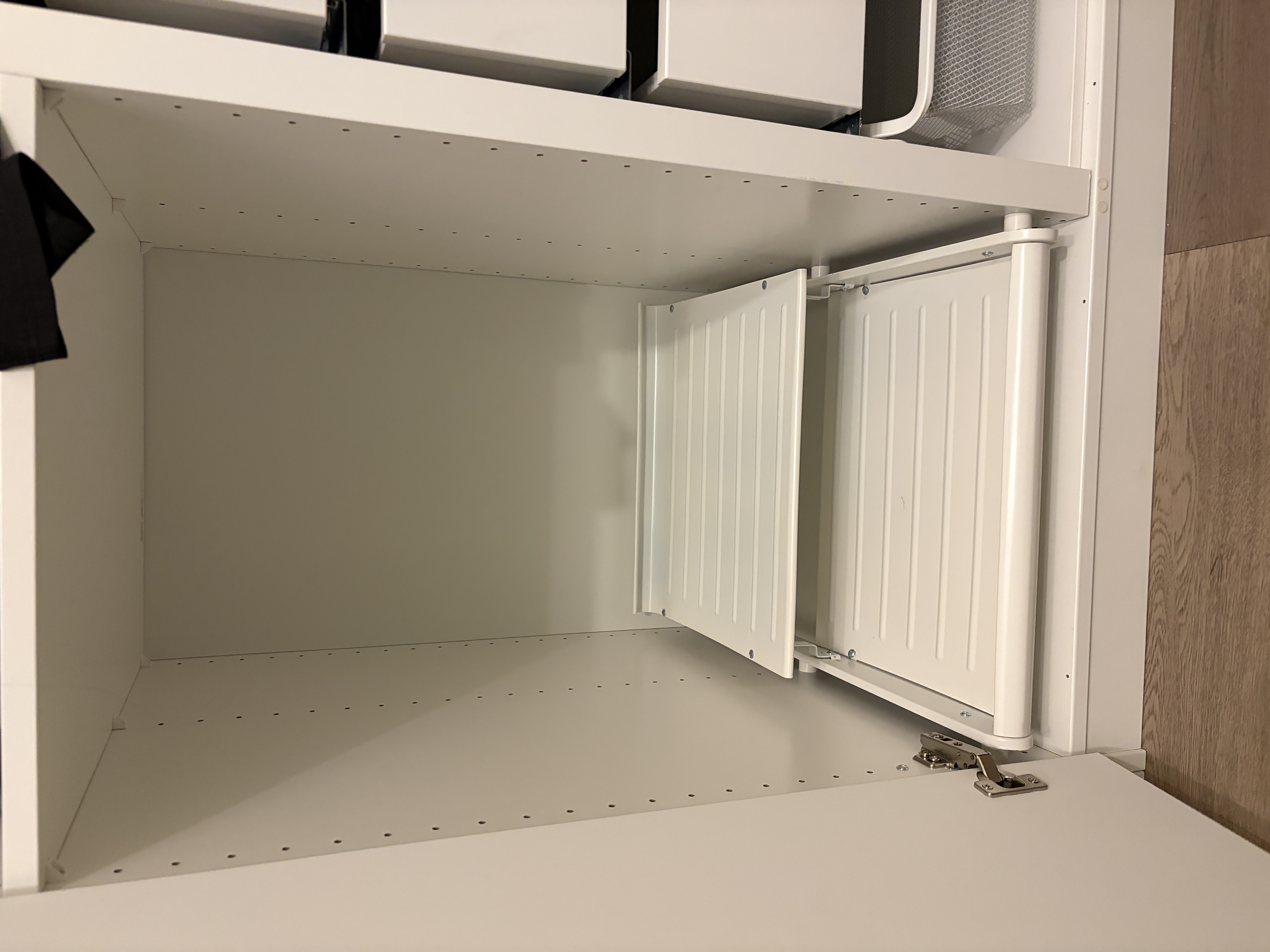
- Fully seat cam locks — hand-tight isn't enough, it causes wobble and joint failure
- Build large pieces in-room, not in the hallway — you save 15 min and protect your walls
- IKEA hardware bags use a numbering system — open them in order, not all at once
- Anti-tip straps are mandatory in condos — carpetless floors plus vibration from the building is a real risk
Before Delivery Arrives
Tip 1: Measure your doorways before ordering
IKEA dimensions on the website are the assembled dimensions, not the flat-pack box dimensions. The boxes are usually smaller — but some items, like a KALLAX 4×4, come in a box that is 188cm long. Measure your freight elevator and apartment door before ordering anything over 160cm. The typical interior condo doorway is 32 inches (81cm) which is enough, but some older buildings have 28-inch doors.
Tip 2: Book the freight elevator in advance
Most Toronto condo buildings require 24–48 hours notice to book the service elevator for furniture deliveries. If you don't book it, your delivery driver may refuse to bring items upstairs, or you'll be waiting in the lobby for an available window. This is a logistics problem, not an IKEA problem, but it directly affects when assembly can start.
Tip 3: Check that all boxes are present before the delivery driver leaves
IKEA orders ship in multiple boxes. If you're picking up from the store or using a third-party delivery, count the boxes against your order confirmation. Missing a box of hardware or a single panel means the job stops — either you wait for a replacement or you reschedule. I've shown up to jobs where the customer had 4 of 5 boxes and the fifth was still at the store from a botched pickup.
On Assembly Day
Tip 4: Clear a floor area before starting
You need roughly 1.5× the assembled footprint as a clear floor area during assembly, because panels need to lie flat. In a 450 sq ft condo, this often means temporarily moving your existing furniture into another room or the hallway. Don't try to assemble a bed in a room that still has the old bed in it — it doubles the physical effort and triples the frustration.
Tip 5: Open hardware bags in sequence, not all at once
IKEA hardware bags are numbered (1, 2, 3…) and correspond to steps in the manual. Opening all of them at once creates a chaotic pile of identical-looking screws, cam bolts, and dowels. Keep them separate until the step that calls for them. This takes discipline but prevents the "which screw was this?" problem that slows down less experienced assemblers.
Tip 6: Use a hand screwdriver for cam locks, not a drill
IKEA cam locks (the rotating barrel connectors) should be tightened with a hand screwdriver at the end of a step — not power-driven. A drill overtightens them and strips the plastic housing, which means the joint won't hold. Cam locks should be firm but not forced. The joint relies on the mechanical geometry, not torque.
IKEA-Specific Tricks
Tip 7: Check drawer glide symmetry before installing the drawer front
Drawer glides on MALM and HEMNES dressers need to be parallel. If one side is 1mm higher than the other, the drawer will rub on the frame when you push it in. Check alignment before attaching the decorative front — once the front is on, adjusting means removing it again (which risks cracking the finish around the screw holes on cheap boards).
Tip 8: KALLAX back panels need corner-to-corner measurement
The KALLAX relies heavily on its back panel for rigidity. But if the carcass is racked (twisted), the back panel goes on twisted too, and the unit will wobble on uneven floors. Before pressing in the back panel, measure corner-to-corner diagonally — both diagonals should be equal. If they're not, push the long-diagonal corners gently toward each other until they match.
Condo-Specific Tips
Tip 9: Install the anti-tip strap — every time
IKEA includes anti-tip straps with most freestanding shelving (BILLY, KALLAX) and all PAX wardrobes. In a house, you might skip it because the carpet friction is enough. In a condo with hardwood, laminate, or tile floors, an unanchored KALLAX loaded with books can tip under surprisingly light lateral force. It goes into a stud where possible, or a properly rated toggle anchor if the stud doesn't line up. The strap takes 10 minutes to install and is not optional for loaded shelving.
Tip 10: For PAX — pre-mark the wall before you start assembly
PAX wardrobes need to be positioned against the wall they'll live against before you start, because once assembled you won't be moving them without disassembly. Mark the stud locations and any wall irregularities (outlet boxes, baseboard height, heat register position) before the build starts. This determines whether the wardrobe will flush against the wall or if you need leg adjustment spacers. Discovering a baseboard protrusion after the wardrobe is built — and finding out it won't sit flush — is the single most preventable PAX problem I see.
If you'd rather not deal with any of this: Text me and I'll handle the whole build. Flat $30/hr, 2-hour minimum, pay after the job is done. Most single-item IKEA jobs are $60–90 total.
Want professional IKEA assembly in Toronto?
Flat $30/hr. Most single-item IKEA jobs complete in 2 hours. Pay after the work is done.